Lambrian Training FZ-LLC© Tutti i diritti riservati
Competenza globale, impatto locale



Approccio pedagogico
basato sull'esperienza
La nostra offerta formativa
Premi Centrali
Certificazione UK
Il punto di forza unico è la qualità dei formatori
Siamo estremamente selettivi ed esigenti con i nostri formatori, che devono essere qualificati (MSc o PhD) e avere almeno dieci anni di esperienza pratica
Abbiamo un elenco di corsi di formazione disponibili, tuttavia il nostro impegno è quello di personalizzare programmi specifici in base alle vostre esigenze
Audit
Qualità
Finanza Pubblica
Gestione Finanziaria
Governance
Leadership & Strategia
Competenze Informatiche
Gestione del Rischio
Agricoltura
Tutte le nostre formazioni sono certificate da Central Awards (organizzazione di certificazione riconosciuta e regolamentata nel Regno Unito) per garantire qualità e valore

Scarica il nostro
Profilo Aziendale
Formazione & Masterclass
Brochure Lambrian FINALE.pdf

Contattaci
Elenco Formazione

In Stock
In Stock

In Stock

In Stock

In Stock
In Stock
In Stock
In Stock

In Stock

In Stock





In Stock

In Stock

In Stock

In Stock

In Stock
In Stock
In Stock
In Stock

1 2 › 2
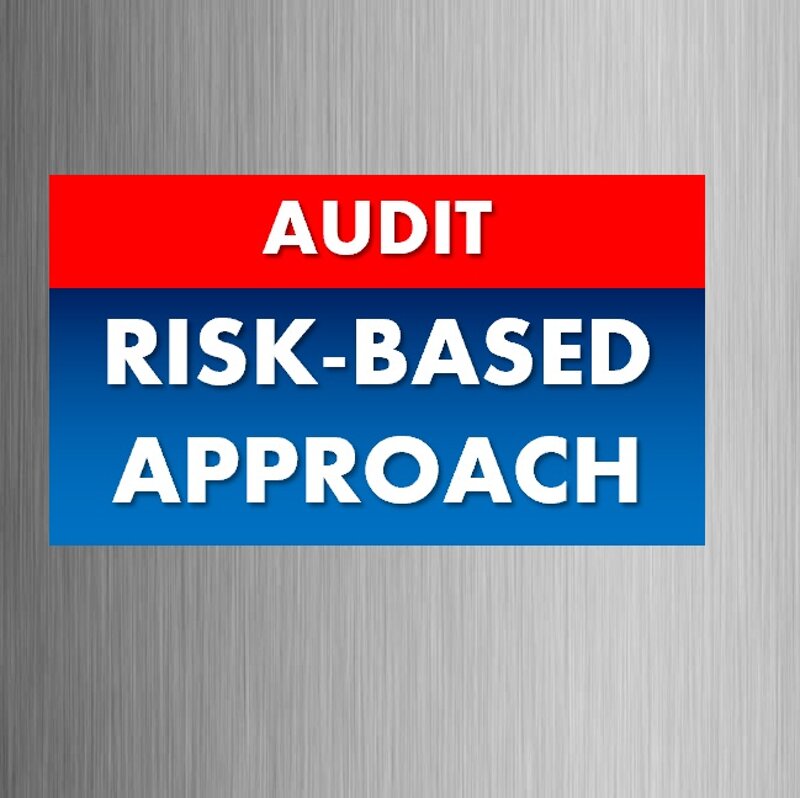
Approccio basato sul rischio - النهج القائم على المخاطر 516864
AUDIT - التدقيق
In Stock
PANORAMICA
L’approccio basato sul rischio nell’audit si concentra sulla priorità delle attività di audit identificando e concentrandosi sulle aree a rischio più elevato all’interno di un’organizzazione, indipendentemente dal tipo specifico di audit. Questo approccio garantisce che i revisori utilizzino efficacemente le proprie risorse concentrandosi sulle aree più suscettibili di avere impatti finanziari, operativi o di conformità significativi.
La formazione copre i principi della revisione basata sul rischio, inclusi come valutare i rischi, valutare i controlli interni e classificare le priorità di audit in base alla probabilità e all’impatto dei potenziali problemi. I partecipanti impareranno come integrare le valutazioni del rischio nel processo di pianificazione dell’audit, assicurando che gli sforzi di audit siano allineati con gli obiettivi strategici e l’appetito al rischio dell’organizzazione. Il corso si concentra anche su strumenti e tecniche per condurre valutazioni del rischio, come l’autovalutazione dei controlli, le matrici di rischio e l’analisi degli scenari, aiutando i revisori a concentrarsi sulle aree critiche mantenendo un ambito di audit completo.
Questo programma è ideale per revisori interni, responsabili della conformità e professionisti finanziari che desiderano adottare una metodologia guidata dal rischio nelle proprie pratiche di audit. Concentrandosi sulle aree ad alto rischio, i revisori possono aggiungere maggiore valore alle proprie organizzazioni e garantire che i rischi significativi siano identificati, valutati e mitigati in modo efficace.
RISULTATI DI APPRENDIMENTO
Valutare i rischi organizzativi
Comprendere come valutare e dare priorità ai rischi in base al loro potenziale impatto finanziario, operativo o reputazionale sull’organizzazione.
Applicare la valutazione del rischio nella pianificazione dell’audit
Sviluppare la capacità di integrare le valutazioni del rischio nel processo di pianificazione dell’audit, assicurando che il focus dell’audit sia allineato con il profilo di rischio dell’organizzazione.
Valutare l’efficacia dei controlli interni
Imparare a valutare e testare i controlli interni per garantire che mitigano efficacemente i rischi identificati.
Dare priorità agli sforzi di audit in base al rischio
Acquisire le competenze per allocare le risorse di audit in modo efficiente concentrandosi sulle aree ad alto rischio, ottimizzando la copertura e i risultati dell’audit.
Migliorare la reportistica di audit attraverso il focus sul rischio
Imparare a produrre report di audit che evidenziano i rischi chiave, forniscono raccomandazioni chiare e comunicano efficacemente i risultati agli stakeholder.
PROGRAMMA GIORNALIERO
Giorno 1: Introduzione all’approccio basato sul rischio nell’audit
Comprendere i principi della revisione basata sul rischio
Differenza tra audit tradizionali e audit basati sul rischio
Concetti chiave: propensione al rischio, tolleranza al rischio e gestione del rischio
Panoramica delle categorie di rischio: rischi finanziari, operativi, di conformità e reputazionali
Metodi per identificare i rischi in un’organizzazione
Condurre una valutazione del rischio: strumenti e tecniche
Creazione di matrici di rischio e mappe di calore del rischio
Valutazione della probabilità e dell’impatto del rischio sulle operazioni aziendali
Allineamento dei piani di audit con le valutazioni del rischio
Dare priorità alle aree di focus dell’audit in base alle valutazioni del rischio
Determinare l’ambito degli audit basati sul rischio
Adeguare i programmi di audit per affrontare le aree ad alto rischio
Testare l’efficacia dei controlli interni per la mitigazione del rischio
Revisione delle lacune e delle debolezze dei controlli nelle aree ad alto rischio
Monitoraggio e audit dei sistemi IT, dei controlli finanziari e dei processi operativi
Casi di studio reali su audit basati sul rischio di successo
Sviluppare report di audit chiari ed efficaci focalizzati sul rischio
Presentare i rischi chiave e le raccomandazioni agli stakeholder
Best practice per il monitoraggio continuo dei rischi identificati
Tendenze in evoluzione nella revisione basata sul rischio e considerazioni future
Lavora con noi
Siamo sempre alla ricerca di formatori qualificati per entrare a far parte del nostro team.
Se sei in possesso di un MSc (Master) o PhD con almeno dieci anni di esperienza lavorativa, non esitare a inviare il tuo CV
info@lambriansolutions.com
Lambrian Training FZ-LLC © Tutti i diritti riservati